

A BMW valve cover gasket leak can begin without leaving a puddle under the car. The first clue may be a burning oil smell after driving, a little smoke near the engine bay, or oil collecting around the top of the engine. Since the vehicle may still run normally, many drivers continue using it until the leak becomes harder to ignore. The gasket sits in a hot part of the engine and seals oil inside the valve cover. Years of heat cycles can harden the rubber, while plastic valve covers can warp or crack. Knowing what to look for can help you address the leak before it affects ignition parts, belts, hoses, or the exhaust. A Burning Oil Smell Is A Common First Sign Oil leaking from the valve cover can run down the side of the engine and reach hot exhaust shields or other heated surfaces. Once the engine warms up, the oil begins to burn, creating a sharp smell that may enter the cabin through the ventilation system. The odor is often strongest after parking because heat remains trapped under the hood. You may not see smoke every time the smell appears. A very small amount of oil can create a noticeable odor without producing a visible cloud. If the smell returns after most drives, especially near the front of the vehicle, the engine should be inspected for fresh oil around the valve cover and nearby components. Smoke From Under The Hood Can Appear After Driving Light smoke rising from the engine bay is another warning. It may appear at a stoplight, after a longer drive, or shortly after the engine is shut off. The smoke can come from oil dripping onto an exhaust manifold or heat shield and burning away. Visible smoke does not automatically mean the engine is severely damaged, but it should not be ignored. Oil near hot exhaust parts creates a fire risk in rare cases and can spread across surrounding surfaces. The source should be confirmed before more oil reaches belts, wiring, rubber hoses, or other parts that can be damaged by contamination. Oil Around The Top Of The Engine Is A Strong Clue A leaking valve cover gasket commonly leaves oil along the edge where the cover meets the cylinder head. The leak may begin as a damp film and gradually turn into a heavier deposit that collects dust and dirt. Depending on the BMW engine, oil may appear at the front, rear, or side of the cover. Oil can travel once the vehicle is moving, so the wettest area is not always the exact starting point. Other BMW oil leaks, including the oil filter housing gasket or vacuum pump seal on some models, can spread into nearby areas. Cleaning the engine and tracing fresh oil helps prevent the wrong gasket from being blamed. Oil In The Spark Plug Wells Can Cause Misfires The valve cover gasket may include seals around the spark plug tubes. When those seals fail, oil can collect around the ignition coils and spark plugs. The engine may begin to hesitate, shake, idle roughly, or turn on the check engine light. Oil contamination can damage coil boots and interfere with the ignition system. Replacing only the spark plugs or coils will not resolve the problem if the gasket continues to leak into the wells. The oil source needs repair, and contaminated ignition parts should be inspected before the vehicle is returned to service. Your BMW May Start Losing Oil Between Services A slow valve cover gasket leak may not create a large puddle, but the engine oil level can still drop over time. Drivers may notice the electronic oil level reading indicating a top-off sooner than expected, or see traces of oil under the engine after parking. BMW engines can lose oil from several areas, so topping it off does not identify the source. The engine should be checked for leaks around the valve cover, oil filter housing, oil pan, turbo oil lines on equipped models, and other known sealing points. Keeping the level correct protects the engine, but it is not a permanent solution to an active leak. The Valve Cover Itself May Be Part Of The Problem Many BMW engines use a plastic or composite valve cover. Constant exposure to heat can make the cover brittle, distort the sealing surface, or create cracks that allow oil and crankcase vapors to escape. Installing a new gasket on a damaged cover may lead to another leak soon afterward. Some valve covers also contain parts of the crankcase ventilation system. A failed diaphragm or pressure-control component can cause whistling, rough idle, excessive vacuum, oil consumption, or leaks. A complete inspection should include the cover, gasket, ventilation system, and sealing surfaces rather than assuming the rubber gasket is the only failed part. Crankcase Pressure Can Push Oil Past The Seal The crankcase ventilation system controls pressure created inside the engine. If the system becomes restricted or fails, pressure can build and force oil past weak gaskets and seals. A valve cover leak may be the most visible symptom even though another part helped create it. Checking crankcase pressure can be especially useful when a new gasket fails early, or several oil leaks appear at once . Whistling noises, suction at the oil cap, rough idle, and unexplained oil use can support this direction. Repairing the pressure problem helps protect the replacement gasket and other engine seals. Why Delaying The Repair Can Cost More A small leak can spread oil across ignition coils, wiring, hoses, belts, engine mounts, and exhaust parts. Rubber can soften, electrical connectors can become contaminated, and the burning smell may grow much stronger. Oil reaching a belt is particularly concerning because the belt can slip, swell, or deteriorate. Regular maintenance and inspection can catch seepage before it becomes a leak. Early repair also makes it easier to identify the source because fresh oil has not yet spread across the entire engine. Waiting until misfires or heavy smoke appear can add ignition and cleanup work to the original gasket repair. Get BMW Valve Cover Gasket Repair In Virginia Beach, VA, With European Autowerks If your BMW smells like burning oil, smokes after driving, loses oil, or has oil around the spark plugs, European Autowerks in Virginia Beach, VA, can inspect the valve cover gasket, valve cover, crankcase ventilation system, and nearby sealing points. Contact us to schedule an appointment before a small oil leak affects additional engine components.

An Audi SUV should feel controlled, confident, and refined. Even with the extra weight of a larger body, it should not feel clumsy, loud, or slow to respond. When the vehicle starts feeling heavier than before, something is usually changing in the tires, suspension, drivetrain, brakes, or engine performance. The shift can happen gradually. You may notice more road noise, slower acceleration, a rougher ride, or steering that takes more effort. These changes do not always point to one obvious failure. They are clues that the vehicle needs a closer look before wear spreads into more expensive systems. Audi SUV Tire Wear And Road Noise Tires have a major effect on how an Audi SUV feels. Uneven tread, low tire pressure, old rubber, mismatched tires, or poor tire balance can make the vehicle feel louder and less responsive. A cupped or feathered tire can create a humming noise that worsens with speed. Audi SUVs with Quattro can also be sensitive to differences in tire size and tread depth. If one or two tires are much newer than the others, the drivetrain can experience extra stress. Tire checks, rotations, pressure adjustments, and alignment measurements are part of regular maintenance because they help protect both ride quality and drivetrain health. Audi Suspension Wear Can Make The SUV Feel Heavy A worn suspension can make an Audi SUV feel heavier than it really is. Shocks, struts, control arm bushings, ball joints, sway bar links, and mounts all help control body movement. When those parts wear, the vehicle can lean more in turns, dip during braking, or feel unsettled over bumps. Drivers may also hear clunks, rattles, or knocks from underneath. On some models, worn suspension parts can cause uneven tire wear or a loose steering feel. A proper inspection can show whether the issue is worn suspension, tire trouble, alignment, or a combination of several parts aging together. Brake Drag Can Hurt Audi SUV Performance A dragging brake can make an SUV feel sluggish, heavy, and harder to move. If a caliper sticks, a brake hose restricts fluid flow, or parking brake components do not release fully, one or more wheels can stay partially applied while driving. That creates heat and resistance. You may notice a hot smell after driving, poor fuel economy, brake dust on one wheel, pulling, or a wheel that feels hotter than the others. Brake drag can also damage pads and rotors quickly . If the vehicle feels like it is working harder than normal, the brakes should be checked along with the tires and drivetrain. Quattro Drivetrain Issues And Slower Response Audi Quattro helps provide traction and control, but it depends on healthy drivetrain parts and the right fluids. Differentials, axles, driveshaft components, mounts, wheel bearings, and transmission-related parts all affect how power reaches the road. When something wears, the SUV can feel less responsive or noisier under acceleration. Drivetrain problems can create vibration, humming, clunking, binding in turns, or delayed response when power is applied. These symptoms can overlap with tire and suspension issues, which is why testing matters. Replacing tires, mounts, or fluids without confirming the cause may not solve the real problem. Engine Performance Problems That Make Acceleration Feel Weak If the SUV feels slow to respond, the engine may not be making power as cleanly as it should. Worn spark plugs, weak ignition coils, dirty filters, turbo boost leaks, fuel delivery issues, carbon buildup, or sensor problems can all affect acceleration. Some problems feel small at first, especially if the change happens over time. A check engine light is helpful, but not every performance issue triggers one right away. You may notice hesitation, rough idle, lower fuel economy, or a delay when merging onto the highway. Audi engines need the right oil, clean airflow, proper spark, and accurate sensor data to feel responsive. Wheel Bearings And Mounts Can Add Noise Noise can make an Audi SUV feel older than it is. A worn wheel bearing can create a humming or growling sound that changes with speed. Engine mounts or transmission mounts can create vibration, thumps, or extra movement when shifting from park to drive or accelerating. These noises can be mistaken for tire roar or changes in the road surface. The pattern helps narrow it down. Noise that changes while turning may point toward a wheel bearing. A vibration that changes with throttle may point toward mounts, axles, or drivetrain parts. A road test helps connect the sound to the right system. Why Audi SUV Diagnostics Should Look At The Whole Vehicle An Audi SUV that feels heavy, noisy, or less responsive may not have a single issue . Tires, alignment, suspension, brakes, drivetrain, engine performance, and fluids all affect the way the vehicle feels. One worn part can also make another system seem worse. A careful diagnostic process may include a road test, tire inspection, suspension check, brake temperature comparison, scan data review, fluid checks, and drivetrain inspection. The goal is to find the source rather than chase symptoms. That is especially important on Audi SUVs, where comfort, traction, and performance systems are closely connected. Get Audi SUV Repair In Virginia Beach, VA, With European Autowerks If your Audi SUV feels heavy, noisy, sluggish, unstable, or less responsive than it used to, European Autowerks in Virginia Beach, VA, can check the tires, suspension, brakes, Quattro drivetrain, fluids, and engine performance. For Audi SUV diagnostics and repair that restores confidence behind the wheel, contact us to schedule an appointment.

BMWs are good at feeling fine right up until they are not. The steering still feels tight, the cabin stays quiet, and the engine pulls cleanly, even while a small leak, worn bushing, or weak cooling part is starting to work against you. That is why routine BMW service is more than an oil change and a reset light. A good service visit looks for patterns before they become expensive repairs. Small oil seepage. Coolant residue. Tire wear on one edge. A battery that is getting weak. Those little clues tell a story if someone is paying attention. 1. Oil Leaks Around Gaskets And Housings Oil leaks are one of the most common BMW repairs, especially as gaskets and seals age. Valve cover gaskets, oil filter housing gaskets, oil pan gaskets, and front engine seals can all start as light seepage before they become a steady drip. The first sign is not always a spot under the car. Sometimes it is a burnt-oil smell after a drive or oily grime collecting around the front or side of the engine. If oil gets onto belts, hoses, or electrical connectors, the repair can spread past the original leak. During routine BMW service, we look for the highest fresh oil, not just the wettest spot underneath . Oil runs downhill and blows backward while driving, so the source is not always where the drip ends up. 2. Cooling System Leaks And Overheating Risks BMW cooling systems work well when they are healthy, but they do not tolerate neglect. Plastic fittings, hoses, expansion tanks, water pumps, thermostats, radiators, and coolant pipes all deal with heat and pressure every time the car runs. Coolant loss is a big clue. If the reservoir keeps dropping, there is a reason. A small seep can dry on a hot engine, leaving only crusty residue, so you may never see a puddle. Some drivers notice a sweet smell, weak heater output, or a temperature reading that behaves differently in traffic. Overheating is where costs jump. Catching a cooling issue during an inspection can keep a hose, pump, or thermostat repair from becoming a head gasket or engine problem. 3. Worn Suspension Bushings And Control Arms A BMW should feel planted. When the suspension starts wearing, that confident feel gets softer around the edges. You may feel a clunk over driveway entrances, a shimmy while braking, uneven tire wear, or steering that feels slightly less direct. Control arm bushings, ball joints, sway bar links, struts, mounts, and rear suspension parts all wear over time. The change can sneak up because it happens gradually. Then one day, the car feels loose on the highway or starts chewing through the inside edge of a tire. Routine service is a good time to catch this because tire wear tells the truth. If the tread pattern is off, something underneath is usually moving in a way it should not. 4. Ignition Misfires From Spark Plugs And Coils Spark plugs and ignition coils are small parts that can cause big symptoms. A weak coil or a worn plug can cause a rough idle, hesitation, shaking under acceleration, or a check engine light. On some BMWs, misfires show up more when the engine is warm or under load . A flashing check engine light is more serious because unburned fuel can reach the catalytic converter. That is how a focused ignition repair can become an expensive emissions repair. Spark plugs have service intervals for a reason. If they are left in too long, coils work harder to fire them. Regular maintenance keeps the ignition system from getting to the point where the engine starts stumbling during normal driving. 5. Battery, Charging, And Electrical Warning Problems All BMW vehicles rely heavily on stable voltage. A weak battery can create warning messages that look more complicated than they really are. You might see start-stop issues, drivetrain messages, comfort access problems, or random warning lights after the vehicle sits. The alternator, battery registration, cables, grounds, and charging behavior all need to be considered together. Replacing the battery without checking the rest of the system can leave you with the same problem later. We see this most often when a battery is aging but not yet completely dead. The car still starts, but the electronics are already unhappy. Testing the battery and charging system during service can prevent confusing electrical symptoms and surprise no-start mornings. Get BMW Service In Virginia Beach, VA, With European Autowerks If your BMW has leaks, warning lights, rough running, tire wear, cooling concerns, or suspension noise, European Autowerks in Virginia Beach, VA, can check the common BMW trouble spots and help you stay ahead of expensive repairs. Book a visit and get a clear plan before a small BMW issue turns into something that interrupts your week.
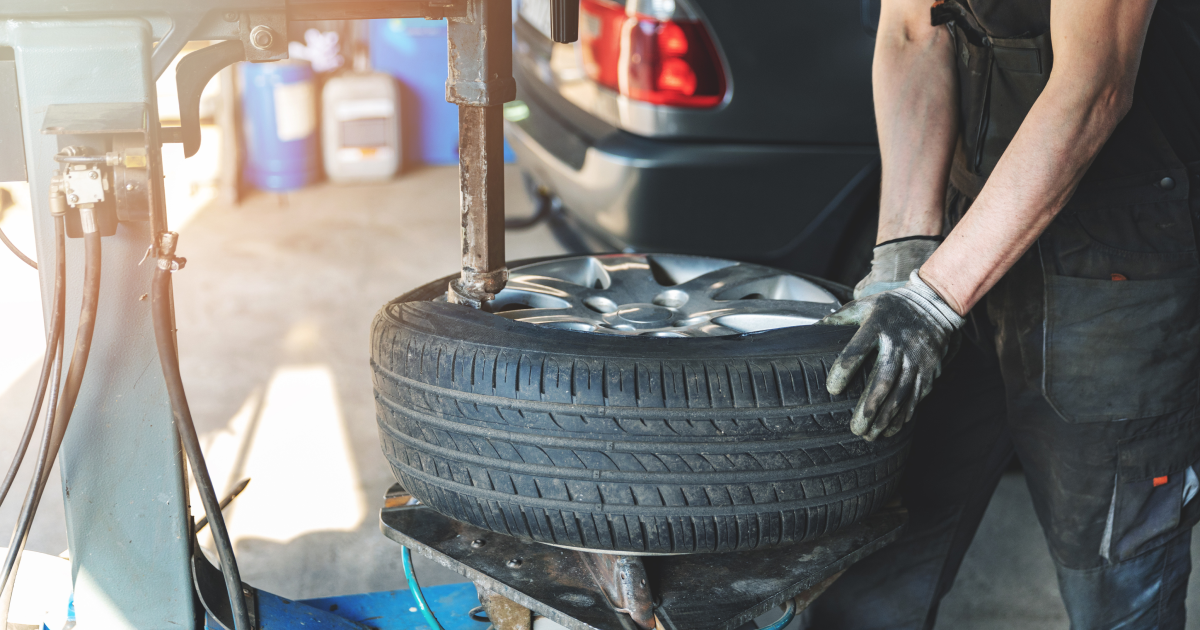
There is a big difference between driving around town and loading up for a road trip. A car that seems perfectly fine during your daily routine can reveal problems fast once it is dealing with highway speeds, extra weight, hot weather, long hours of driving, and unfamiliar roads. That is why we always recommend giving your vehicle a solid check before you head out. At our shop, we see it all the time. Someone is getting ready for a weekend getaway, a family vacation, or a visit out of town and figures the car is probably good to go because it has been “driving okay.” Then halfway through the trip, a tire issue shows up, the battery acts weak, the brakes start making noise, or the A/C cannot keep up. None of that makes for a fun travel day. The good news is that most road-trip problems give you a chance to catch them ahead of time. A little preparation can save you from delays, stress, and surprise repair bills when you are far from home. If you are getting ready to hit the road, these are the ten things we recommend checking first. 1. Tires Tires are always at the top of the list because they affect safety, fuel economy, ride quality, and handling. A long drive puts a lot more demand on them than your normal errands do. Check the tire pressure when the tires are cold, and make sure it matches the manufacturer’s recommended setting, not just whatever looks right by eye. Also look at tread depth and inspect for cracking, bulges, uneven wear, or anything stuck in the tread. A tire that is already borderline at home is much more likely to become a bigger problem after hours on hot pavement. 2. Brakes If your brakes have been squeaking, grinding, vibrating, or feeling softer than usual, do not ignore that before a trip. Road trips often mean heavier loads, more highway driving, more traffic, and in some cases mountain roads or long downhill stretches. That is not the time to discover your brakes are overdue . Pay attention to how the brake pedal feels and whether the car stops smoothly. If something feels off, it is worth getting it checked before you go. 3. Engine Oil Oil changes are easy to delay when life gets busy, but a road trip is not the time to stretch old oil even further. Your engine will be working for a long stretch, often in warmer temperatures and with more weight in the vehicle. Check the oil level and condition. If you are close to your next service interval, it is usually smart to handle the oil change before the trip instead of after. Fresh oil gives the engine the protection it needs for the miles ahead . 4. Coolant And The Cooling System Overheating is one of the fastest ways to ruin a trip. The cooling system keeps the engine temperature under control, and if something is weak, leaking, or low, a longer drive can bring that issue to the surface quickly. Check the coolant level if your vehicle allows for a safe visual check, and pay attention to any recent signs of trouble like rising temperature readings, coolant spots under the car, or a sweet smell after driving. Hoses, clamps, and the radiator should also be in good shape. A cooling system concern is always cheaper to deal with before the trip than during it. 5. Battery A weak battery has terrible timing. Maybe it starts fine in your driveway, but after a fuel stop or overnight hotel stay, it suddenly does not want to crank. We see that scenario a lot. If your battery is older, the engine has been starting slowly, or you have noticed any dim lights or electrical quirks, it is worth having it tested. A battery can seem okay until the moment it is not, and that is not the kind of surprise you want on vacation. 6. A/C And Cabin Comfort This one gets overlooked more than it should. If you are driving for hours with kids, older family members, or a packed vehicle, cabin comfort matters. Weak A/C, poor airflow, or a musty smell can make everyone miserable long before you reach your destination. Make sure the air conditioning is cooling properly and the airflow feels strong. If the system is struggling already, a road trip will only make that more obvious. It is also a good time to check the cabin air filter if the airflow feels weak or stale. 7. Wiper Blades And Washer Fluid You may not think about your wipers until the moment you need them, but road trips bring plenty of opportunities for bad visibility. Rain, bugs, dust, and road spray can all make a mess of the windshield. Check the wiper blades for streaking, cracking, or chatter. Refill the washer fluid, too. It is one of the simplest things to prepare, and it makes a big difference when the windshield gets dirty fast on the highway. 8. Lights Before you leave, make sure your headlights, brake lights, turn signals, and hazard lights are all working. It is easy to miss a burned-out bulb during everyday driving, especially if it is not one you see directly from the driver’s seat. Good lighting matters for nighttime driving, bad weather, and being visible to other drivers. This is a quick check, but it is an important one. 9. Belts, Hoses, And Visible Leaks You do not need to be a technician to notice obvious trouble under the hood. Look for anything that seems cracked, frayed, swollen, or wet where it should not be. Belts and hoses can wear over time, and leaks have a habit of becoming more noticeable during longer drives. If you have seen drips in the driveway, smelled something unusual, or noticed a component looking worn, do not brush it aside before a trip. A little leak at home can become a much bigger inconvenience on the road. 10. Emergency And Travel Basics Not every road-trip problem can be prevented, so it is smart to be prepared even when the vehicle checks out well. Keep the essentials in the car so small problems do not turn into major stress. A few good things to have on hand include: a phone charger, water and snacks, a flashlight, basic first-aid supplies, jumper cables or a jump pack, and tire-changing tools with a usable spare. You do not need to pack for the apocalypse, but having the basics covered makes a real difference if something unexpected happens. Why These Checks Matter More Than People Think A lot of drivers assume that if a car is not showing a warning light, it must be ready for a trip. Sometimes that is true. Sometimes it is not. Many of the issues that interrupt road trips start quietly. Tire wear builds gradually. Brakes get thinner over time. Batteries weaken slowly. A/C performance drops off little by little . The car may still seem “fine” until the moment the extra demand of a trip exposes the weak spot. That is why we always tell people a pre-trip check is less about being overly cautious and more about being realistic. A little extra attention before you leave can help you avoid spending your trip looking for a repair shop in an unfamiliar town. Road trips should be about the destination, the people you are traveling with, and maybe even enjoying the drive itself. They should not be about wondering whether that noise is getting worse or hoping the car makes it through the next leg of the trip. Checking these ten areas gives you a much better chance of traveling with confidence. It also helps you protect your time, your budget, and your plans. The trip may still come with traffic, weather, and the occasional wrong turn, but at least your car will not be adding extra drama. Pre-Trip Inspection at European Autowerks If you have a road trip coming up, let European Autowerks in Virginia Beach, VA help you get ready. We can inspect your tires, brakes, fluids, battery, A/C, and more to make sure your vehicle is prepared for the miles ahead. Call us today or stop by to schedule your pre-trip inspection.

Those DIY A/C cans look like the perfect shortcut. A little refrigerant, a cheap gauge, and you’re back to cold air in the driveway. The problem is that the A/C system is picky, and small mistakes can turn a mild cooling complaint into a bigger repair. If you’re tempted to do it yourself, it helps to know what those kits can’t show you. What DIY A/C Kits Promise And What They Miss Most DIY kits promise one thing: colder air fast. They make it seem like low refrigerant is the only reason A/C gets weak. Sometimes that’s true, but not nearly as often as people think, and a can doesn’t tell you why the system got low. A car A/C system is sealed, so refrigerant doesn’t get used up. If it’s low, it leaked out somewhere, and the leak is the real problem. Recharging without finding the leak is usually a temporary relief at best. Why Adding Refrigerant Without Measuring Can Make Cooling Worse DIY gauges are often reading only one side of the system, and that’s not enough information to know what’s really going on. Pressure changes with outside temperature, humidity, airflow, and engine speed. You can end up adding refrigerant because the gauge looks low, even when the charge is not the issue. Overcharging is a common outcome. Too much refrigerant can raise pressures, reduce cooling, and put extra stress on the compressor. We see it most when a system already has some charge left, then gets topped off repeatedly until it starts cycling oddly or blowing warmer at idle. Leaks Are The Real Problem And DIY Doesn’t Find Them A refill might make the air colder for a week, then the cooling fades again. That’s usually the leak continuing to do its thing. Some leaks are obvious, like a condenser pinhole, but others are slow and hidden in places you can’t see easily. A proper leak check looks for oil residue, checks system behavior, and confirms where refrigerant is escaping. It also catches situations where the issue is airflow, a fan problem, or a control issue that mimics low refrigerant . Skipping that step is why DIY refills often turn into repeat refills. Stop-Leak And Sealants Create Long-Term Headaches Some DIY products include sealants marketed as leak fixers. The issue is they can create more problems than they solve. Sealants can gum up service equipment and leave residue in places you really don’t want residue. Here are common ways stop-leak backfires: It contaminates service machines and makes future service harder It can clog small passages in the system over time It may mask the leak briefly, then the leak returns anyway It can complicate parts replacement because the system is no longer clean If a system has an actual leak, the reliable fix is repairing the leak point and recharging the system correctly, not adding a product and hoping it holds. Modern Systems Are Sensitive To Oil, Charge Weight, And Air Modern A/C systems are more sensitive than older ones. Many use smaller refrigerant charges, variable compressors, and tighter tolerances. Being off by a little can change vent temperature and cycling behavior noticeably. Air and moisture in the system are another issue. If the system is opened for a repair, it must be properly evacuated to remove air and moisture before recharge. Moisture can freeze at the metering point and cause inconsistent cooling, and it can contribute to internal corrosion over time. What A Proper A/C Service Looks Like A correct A/C service starts with testing, not topping off. It checks vent temperature, condenser airflow, fan operation, and pressure behavior under the conditions where you notice the problem. One inspection also confirms whether the charge is truly low or if something else is causing weak cooling. After repairs are made, the system is evacuated and recharged by weight to the correct specification. That’s what makes the results consistent, especially in traffic and high heat. Folding A/C checks into regular maintenance also helps you catch small leaks early, before the system is too low to perform well. Get Car A/C Service In Virginia Beach, VA, With European Autowerks If your A/C is not cooling as it should, European Autowerks in Virginia Beach, VA, can pinpoint whether you’re dealing with a leak, airflow problem, or a control issue and recommend the right fix. Our technicians will verify pressures and performance, handle leak checks, and recharge the system correctly once the root cause is addressed. Set up a visit and get dependable cold air back.

Your vehicle’s instrument cluster is one of the most important communication tools on your dashboard. It displays essential information, including speed, fuel level, engine temperature, warning lights, and system alerts. When the instrument cluster display doesn’t come on, it can be frustrating—and potentially dangerous—because you’re left without critical driving information. If your dashboard suddenly goes dark or the display works intermittently, there are several possible causes. Understanding why this happens can help you determine the next steps and avoid more serious electrical issues. What Is the Instrument Cluster and Why Is It Important? The instrument cluster is the panel behind your steering wheel that houses gauges and warning indicators. In modern vehicles, it often includes digital screens, backlighting, and computer-controlled components that communicate with multiple onboard systems. Without a functioning instrument cluster, you may not know your speed, whether your engine is overheating, or if a warning light has turned on. Driving without this information increases the risk of accidents and mechanical damage. Common Reasons the Instrument Cluster Display Won’t Turn On Because the instrument cluster relies on electrical power and computer signals , several issues can prevent it from functioning properly. Some problems are minor, while others require professional diagnostics. Common causes include: Blown fuses: A blown fuse can cut power to the instrument cluster or its backlighting. Battery or charging system issues: A weak battery or failing alternator can cause displays to go dark or flicker. Wiring or connection problems: Loose, corroded, or damaged wiring can interrupt power or data signals. Failed instrument cluster components: Internal circuit boards, motors, or display screens can fail over time. Computer or software issues: Modern vehicles rely on modules that may require updates or recalibration. Because multiple systems are interconnected, pinpointing the exact cause often requires professional testing. Is It Safe to Drive Without an Instrument Cluster? Driving without a working instrument cluster is not recommended. You may be unable to monitor speed, fuel level, or critical warning lights. This increases the risk of speeding violations, running out of fuel, or unknowingly driving with a serious mechanical issue. In some cases, the cluster may operate intermittently, making the problem harder to predict. Even temporary outages should be inspected to prevent complete failure. Warning Signs Before Complete Failure Instrument cluster problems often show warning signs before the display stops working entirely. You might notice dim or flickering lights, gauges that stop responding, or screens that take longer than usual to turn on . If these symptoms are ignored, the issue may progress and affect other electronic systems in the vehicle. How Instrument Cluster Problems Are Diagnosed Diagnosing a non-functioning instrument cluster requires more than a quick visual check. Technicians inspect fuses, test the battery and charging system, and scan the vehicle’s computers for fault codes. In many cases, diagnostic equipment is used to verify communication between the instrument cluster and other control modules. This ensures the repair addresses the root cause, not just the symptom. Instrument clusters are complex and expensive components. Improper repairs or guesswork can cause further damage or result in unnecessary part replacements. Professional diagnostics ensure the issue is accurately identified and repaired correctly. Modern vehicles often require programming or calibration after repairs, which should only be performed by trained technicians using specialized tools. Schedule an Electrical Diagnostic Inspection in Virginia Beach, VA If your instrument cluster display isn’t coming on or works only intermittently, it’s important to have it checked as soon as possible. What may seem like a small electrical issue can quickly turn into a larger safety concern. At European Autowerks , we proudly service most European vehicles, as well as Teslas. Contact our shop today to schedule a professional diagnostic of your electrical and instrument cluster.

Stop-and-go traffic has a special talent for making time feel slower than it is. You are not exactly driving, not exactly resting, and your brain keeps bouncing between watching brake lights, checking the clock, and fighting the urge to get impatient. If you have ever arrived at your destination feeling weirdly drained, even though you barely went anywhere, that is the effect. The good news is you can train a calmer rhythm in traffic without zoning out, and it starts with a few practical habits that keep your mind steady and your reactions sharp. Why Stop And Go Traffic Steals Your Focus Your attention gets taxed because stop-and-go driving is constant, low level decision making. You are always judging gaps, anticipating lane changes, and reacting to sudden braking, but there is no satisfying flow to settle into. That on-off pattern increases stress even when nothing dramatic is happening. It also encourages mental shortcuts. You stare at the same bumper for minutes and start daydreaming, then suddenly you have to react quickly. Staying calm is not about being passive, it is about keeping your brain engaged in a controlled way so you are ready when something changes. Set Up Your Car For Calm Before You Roll A surprising amount of traffic stress comes from small discomforts that pile up. If your seat is too far back, your shoulders tense. If your mirrors are off, you keep second-guessing blind spots. If the cabin is too hot or too cold, your patience drops faster than you would expect. Before you even creep forward, do a quick reset: sit upright with relaxed shoulders, adjust mirrors so you do not have to lean, and set the cabin temp to a comfortable middle. If your windshield is hazy or the sun is low, fix visibility early, because straining to see is one of the fastest ways to lose focus. We have seen how much smoother traffic feels for drivers once the cabin setup stops fighting them. Use Spacing And Timing To Create A Smoother Rhythm The biggest calm-maker in stop-and-go traffic is space. Not huge gaps that invite cut-ins, just enough room that you can move gently instead of reacting to every brake tap. When you leave a little buffer, you can roll forward slowly while others are still stop-starting, and that reduces the emotional whiplash. Try to watch three or four cars ahead, not just the one in front of you. Brake lights farther up the line give you an earlier warning, which means you can lift off the gas sooner and brake less. It feels small, but it changes the whole vibe. Your driving becomes more like a steady glide than a series of mini emergencies. Micro-Habits That Keep You Calm And Locked In These are the habits that help you stay relaxed without drifting into autopilot. Pick a few and make them your default. Breathe out longer than you breathe in when traffic stalls. It helps your body de-escalate without you forcing it. Rest your hands lightly on the wheel. Death-grip steering makes your brain think something is wrong. Keep your eyes moving, mirrors, far-ahead brake lights, side lanes, then back to your lane. Use a simple scan pattern at each stop, mirror, speed, space, then settle. Avoid phone checks at red lights, it fractures attention and makes you jumpy when traffic moves again. Give yourself a one-lane rule, stay put unless a lane change clearly saves time or improves safety. Driver Habits That Spike Stress And Cause Mistakes Stop-and-go traffic tempts people into behaviors that feel productive but usually backfire. They raise stress, increase risk, and often do not save any time. Lane-hopping without a clear reason keeps your mind in a constant competitive mode. Tailgating to block cut-ins removes your buffer and makes every stop feel urgent. Accelerating hard just to brake hard again, it heats brakes, wastes fuel, and spikes adrenaline. Staring at the bumper ahead, it narrows your awareness and makes you miss signals farther up. Arguing with the traffic in your head, your body reacts as if you are in a real conflict. If you catch yourself doing any of these, treat it like a gentle nudge, not a scolding. Reset your spacing, widen your gaze, and go back to smooth inputs. When Traffic Stress Is Really A Vehicle Issue Sometimes it is not only your mindset. A car that feels rough in traffic can push you toward stress without you realizing why. If the engine idles unevenly, the A/C cuts in harshly, or the car shudders on takeoff, your brain stays on alert because the vehicle feels unpredictable. Stop-and-go also magnifies certain mechanical issues. Weak cooling performance can show up at long idle, worn brakes can feel grabby , and tired motor mounts can make creeping forward feel jerky. If you notice the car feels hotter than usual, the brake pedal feels inconsistent, or the steering feels heavy during low-speed maneuvering, it is worth getting it checked. We would rather catch a small drivability issue early than have it turn every commute into a tense experience. Get Stop And Go Driving Support in Virginia Beach, VA, with European Autowerks We can inspect the systems that make traffic driving feel smooth, like cooling performance, brake feel, idle quality, and low-speed drivability, so your car is not adding stress to your day. We’ll walk you through what we find and what would actually improve the way your vehicle behaves in slow traffic. Call European Autowerks in Virginia Beach, VA, to schedule a check-up and make your daily drive feel calmer and more controlled.
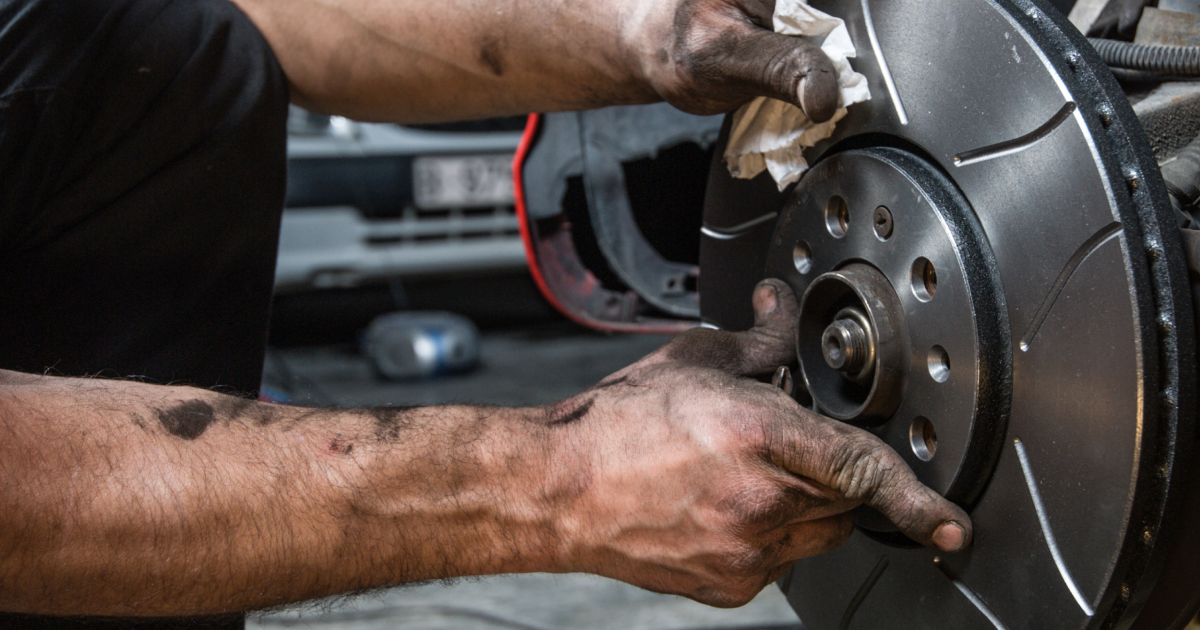
You are creeping through a parking lot or slowing for a neighborhood stop sign and you hear it, that sharp squeal from the brakes. On many BMW models, low-speed brake noise is a pretty common complaint. Some light, occasional noise can be normal with performance-oriented brake parts, but a loud or constant squeal usually points to something that needs attention. The good news is that the cause is often straightforward once someone looks closely at the pads, rotors, and hardware. What That Low-Speed BMW Brake Squeal Really Is Most brake squeal is vibration. The brake pad is pressed against the rotor, and instead of sliding smoothly, it vibrates at a high frequency that you hear as a squeak or squeal. BMWs often use more aggressive pad materials that grip well but can be a little noisier, especially at low speeds where there is less airflow and less overall noise around the car. At slow speeds, small imperfections in the rotor surface or slight glazing on the pad can set up that high-pitched sound. Humidity, temperature, and even a light layer of rust that forms overnight can change how the pad and rotor interact. That is why the noise may be worse first thing in the morning, then seem to quiet down once you have driven a bit. Common Causes of Brake Squeal at Parking-Lot Speeds There are several issues that tend to show up repeatedly when we chase a low-speed brake squeal . A few of the most common include: Glazed pads, which have a hardened, shiny surface from heat and can slide and squeal instead of biting cleanly Rotor surface issues, such as light grooves, rust buildup on the edges, or uneven wear that creates small ridges Dry or worn hardware, including shims and slides that are supposed to control vibration and allow pads to move freely Cheap or incorrect pads that were installed at some point and do not match the BMW braking system very well Any one of these can cause noise on its own, and they often show up together. That is why a proper inspection looks at the whole brake assembly instead of guessing at just one part. When BMW Brake Noise Is Normal and When It Is Not A light squeak during the first few stops on a damp morning can be normal, especially if the car sat overnight and a light film of rust formed on the rotor faces. As the pads clean the surface, the sound often fades quickly. Occasional light noise when you brake lightly at low speeds may also come with certain pad compounds, especially if you are using performance pads. Continuous squealing every time you slow down, especially when the brakes are warmed up, is not something to ignore. If the noise is joined by grinding, vibration in the pedal, a soft or low pedal feel, or a warning light, that raises the urgency. At that point, the brakes may be worn or damaged, and the car may not be able to stop as consistently as it should. What You May Notice First Behind the Wheel Most drivers notice the sound long before they notice any change in braking performance. It often starts as a faint squeal at the last few feet of a stop, or when easing off the brake while creeping in traffic. Over time, it may become louder, or you may start to feel a faint flutter or vibration in the pedal. You might also spot other clues if you take a quick look through the wheel spokes. The rotor surface may look streaked, heavily grooved, or bluish from heat. The pads themselves may look thin. If you see a line of rust around the outer edge of the rotor where the pad is no longer making full contact, that can also point toward uneven wear and potential noise. Owner Mistakes That Can Make Brake Squeal Worse A few common habits can make squealing brakes more likely or more noticeable. Riding the brakes on long hills or in heavy traffic can build heat and contribute to pad glazing. Spraying harsh wheel cleaners directly onto the brakes can wash away lubrication from slides and contact points or leave residue on the pad surface. Another mistake is choosing the cheapest possible pads when it is time for a brake job. Low-quality pad material can be noisy from day one and may wear out faster, which means you end up paying more in the long run. Waiting too long after the first signs of noise can also turn a simple pad service into a job that needs rotors and hardware as well. Catching things early usually keeps costs more reasonable. How Technicians Diagnose BMW Brake Squeal When we inspect a BMW for brake squeal, the process starts with a road test to reproduce the noise and feel how the car stops . Then the wheels come off so the pads, rotors, and hardware can be checked up close. Pad thickness, wear patterns, and glazing are all noted, and the rotor surfaces are examined for runout, grooves, rust ridges, or heat spots. From there, the technician decides whether a thorough cleaning and lubrication of the hardware is enough, or whether pads and rotors need to be replaced. Sometimes, a high-quality pad set and fresh hardware, installed with the correct shims and lubricants, can make a big difference in noise. A proper brake service also includes cleaning mating surfaces, checking caliper movement, and making sure the brakes are bedded in correctly so they stay quieter over time. Get BMW Brake Service in Virginia Beach, VA with European Autowerks We can inspect your BMW’s brakes, track down the source of that low-speed squeal, and recommend the right repair to get things quiet again. Whether you need a simple clean and adjust or a full pad and rotor service, we take the time to explain what we find and why it matters for your stopping power. We are here to help your BMW feel smooth, confident, and quiet when you step on the pedal, so schedule your BMW brake service with European Autowerks in Virginia Beach, VA.
Mercedes vehicles hold up well when maintenance stays on schedule. During routine inspections, though, we see a handful of patterns repeat across models and years. Catching these early keeps the car feeling tight, quiet, and refined. Here are the seven issues we find most often and how they show up in everyday driving. 1. Oil And Fluid Leaks From Gaskets, Seals, And Housings Small seeps around valve cover gaskets, oil filter housings, cooler seals, and front crank seals are common. You might notice a faint oil smell after parking or a light film collecting dust on the engine. Left alone, oil can soften belts, drip onto hot exhaust, and lower the level enough to raise engine temperatures. During inspections, we clean and trace the highest wet point to confirm the true source before recommending a repair . 2. Engine And Transmission Mount Wear That Feels Like A Misfire Hydraulic mounts age from heat and time. The result is a low buzz in Drive at a stop, a thump as gears engage, or a shudder on takeoff. Many drivers assume the engine is missing, but the pattern changes with gear selection. If vibration grows in Reverse and eases in Neutral, mounts are likely. We check mount height, look for leaked fluid, and verify that exhaust and heat shields have not started touching as the drivetrain settles. 3. Shift Quality Complaints Tied To Aging “Lifetime” Fluid Mercedes automatics can feel hesitant at low speed when fluid is tired or the filter is restricting flow. Symptoms include a mild flare on warm upshifts, delayed Drive engagement, or a small stumble while maneuvering into a spot. A proper service with the correct fluid and filter often restores crisp timing. We also review software updates and adaptations so clutch fill times and pressures match as the transmission ages. 4. Cooling System Weak Points In Slow Traffic Temperature creep at long lights usually points to a cooling fan that is not reaching full speed, a radiator partially blocked by debris, or a thermostat that opens late. A/C that turns warm at idle is a related clue because condenser heat sits in front of the radiator. During inspection we test fan commands with a scan tool, check the radiator face for packed leaves between the condenser and core, verify cap pressure, and confirm freeze protection. 5. Voltage Sensitivity From Tired Main Or Auxiliary Batteries Modern Mercedes models are voltage sensitive. A borderline main battery or a weak auxiliary battery can trigger odd warnings, shut off stop-start, and make shifts feel inconsistent. You may see a cluster of unrelated messages after a cold start or short trip. We load-test both batteries where equipped, measure charging voltage, and clean primary grounds. Stable voltage clears phantom issues and prevents modules from chasing low-voltage faults. 6. Suspension Wear: Control Arm Bushings, Ball Joints, And Air Leaks Front control arm bushings and ball joints take a beating on rough roads, showing up as clunks over small bumps or feathered tire edges. On air-sprung models, slow leaks at air springs, lines, or valve blocks can cause one corner to sit low after an overnight park. We check ride height, scan for level control faults, soap-test suspected leaks, and measure joint play with the suspension supported correctly. Fixes here restore straight tracking and even tire wear. 7. Brake System Concerns Beyond Pad Thickness Uneven pad wear, sticky caliper slide pins, and rotor hot spots are frequent findings. A slight pull, a shake after longer drives, or a whistle at low speed are early hints. For models with an electronic parking brake, service requires a specific mode so the calipers retract correctly. During inspections, we measure rotor thickness and runout, free up and lubricate slides, verify fluid condition, and confirm that the parking brake applies and releases smoothly. When To Move From “Monitor” To “Fix Soon” New vibration in gear at a stop that was not there last month. A/C warm at idle but cold on the highway. Battery warnings after short errands or stop-start rarely activating. Uneven tire wear or steering that never settles straight. Fresh oil spots on the driveway or a sweet smell after parking. Stay Ahead Of Repairs With European Autowerks In Virginia Beach, VA If you have noticed new noises, slight vibrations, or warning messages that come and go, our technicians can pinpoint the cause before it grows. We combine a careful road test with precise checks of leaks, mounts, cooling, charging, suspension, and brakes, then recommend repairs that last. Schedule an inspection with European Autowerks in Virginia Beach, VA, and keep your Mercedes driving the way it should.